Arrhythmia Treatment in Gurgaon
Heart Arrhythmia Expertise at Sector 69, Gurgaon
Do you have symptoms such as a fast heart rate, missed beats, feeling like your heart is racing, dizzy spells, or an irregular heart rate? This could be a sign of an arrhythmia, which is another name for a heart rhythm problem. Get a diagnosis and effective treatment plan from Dr. Jatin Yadav at the Heart Cure Clinic.
We serve patients located in Sector 69 Gurgaon, SPR Road, Sohna Road, Golf Course Extension Road, and New Gurgaon.
What Is Arrhythmia?
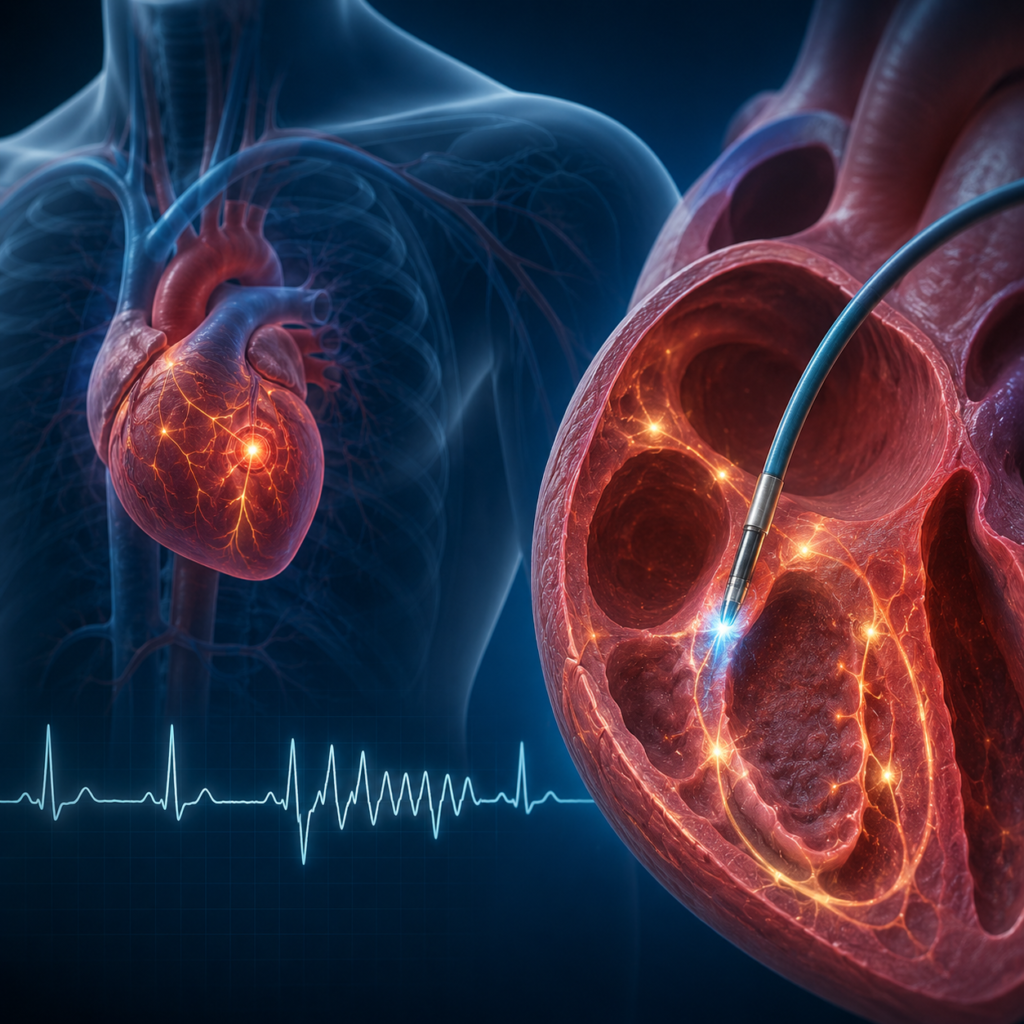
Arrhythmia is a disorder characterized by an abnormally fast, slow, or irregular heartbeat, caused by a problem in the electrical activity of the heart. While some arrhythmias are considered benign, there are also others that can lead to more serious complications such as stroke or heart failure.
Some examples of arrhythmias include:
Atrial Fibrillation (AFib)
Atrial Flutter
Supraventricular Tachycardia (SVT)
Ventricular Tachycardia
Bradycardia (Slow Heartbeat)
Premature Heartbeats
Symptoms of Arrhythmia
Many patients ignore early warning signs of heart rhythm disorders. Common symptoms include:
- Palpitations or fluttering sensation in the chest
- Rapid heartbeat
- Slow heartbeat
- Chest discomfort
- Dizziness
- Lightheadedness
- Fainting episodes
- Shortness of breath
- Unexplained fatigue
- Weakness during physical activity
Some arrhythmias may occur without noticeable symptoms and are discovered during routine cardiac testing.
When Should You See a Heart Specialist?
You should consult a cardiologist if you experience:
- Recurrent palpitations
- Irregular pulse
- Sudden episodes of rapid heartbeat
- Fainting or near-fainting episodes
- Family history of heart rhythm disorders
- Previous heart attack
- Heart failure symptoms
- Unexplained dizziness
Early diagnosis can help prevent complications and improve long-term heart health.
Causes of Arrhythmia
Heart rhythm disorders may be associated with:
- Coronary artery disease
- High blood pressure
- Heart valve disease
- Previous heart attack
- Diabetes
- Thyroid disorders
- Sleep apnea
- Electrolyte imbalances
- Excessive alcohol consumption
- Certain medications
Identifying the underlying cause is an important part of effective treatment planning.
Arrhythmia Diagnosis in Gurgaon
A thorough cardiac evaluation may include:
ECG (Electrocardiogram)
Records the electrical activity of the heart.
2D Echo
Assesses heart structure and pumping function.
Holter Monitoring
Monitors heart rhythm continuously over an extended period.
Blood Pressure & Risk Assessment
Evaluates associated cardiovascular risk factors.
Clinical Cardiology Consultation
Detailed review of symptoms, medical history, medications, and lifestyle factors.
These investigations help determine the type and severity of the rhythm disorder.
Arrhythmia Treatment Options
Treatment depends on the type of arrhythmia, symptoms, and overall heart health.
Lifestyle Modification
Improving sleep, stress management, blood pressure control, and heart-healthy habits can reduce certain rhythm abnormalities.
Medications
Some patients may require medicines to control heart rate, maintain rhythm stability, or reduce associated risks.
Cardioversion
In selected cases, cardioversion may be used to restore a normal heart rhythm.
Catheter Ablation
Certain arrhythmias may benefit from catheter ablation procedures that target abnormal electrical pathways in the heart.
Pacemaker Therapy
Patients with significantly slow heart rhythms may require pacemaker implantation.
Why Choose Dr. Jatin Yadav for Arrhythmia Treatment in Gurgaon?
Experienced Cardiac Specialist
Comprehensive evaluation of heart rhythm disorders and cardiovascular risk factors.
Personalized Treatment Plans
Every patient receives individualized recommendations based on symptoms, test results, and overall heart health.
Advanced Cardiac Assessment
Evidence-based approach to diagnosis, monitoring, and treatment planning.
Convenient Sector 69 Location
Serving patients from:
- Sector 69 Gurgaon
- SPR Road
- Sohna Road
- Golf Course Extension Road
- Vatika Chowk
- Southern Peripheral Road
- New Gurgaon
FAQ
Frequently Asked Questions
Palpitations, skipped heartbeats, rapid heartbeat, dizziness, and shortness of breath are among the most common symptoms of arrhythmia.
Arrhythmias may not pose any threat, but some types of arrhythmias might lead to an increased chance of having strokes, heart failure, or other cardiac issues.
Various tests that could help in diagnosing arrhythmias are ECG test, Holter test, 2D Echo, and heart examination by heart specialist.
Yes, depending upon the type of arrhythmia, treatment methods include making lifestyle modifications, administering medicines, doing cardioversion, catheter ablation, or pacemaker.
If you feel palpitations, dizziness, faintness, chest pain, or breathlessness, you should see your doctor.